
Covers
Article and newsletter covers at 1200 × 673, ready for the CMS as WebP under a size budget.
Open source · MCP-ready · zero cost per image
Levni draws covers, icons, spot illustrations and social images in one consistent hand. Built for agents and publishers: write a scene, render it, ship it.
npx levni render scene.json cover.png

Article and newsletter covers at 1200 × 673, ready for the CMS as WebP under a size budget.

Small drawings inside the text: a tulip, a server rack, a ballot box, in the same hand as the cover.

474 drawn objects in the Levni Folio, plus the Tabler icon set redrawn in the house line.
Open Graph and social cards from the same scene. This page’s preview image was drawn by Levni.
Place props, panels and textures on a 1200 × 673 canvas. 36 element types, from library props to small isometric worlds.
{ "seed": 5, "style": "riso", "elements": [
  { "type": "panel", "x": 60, "y": 52, "w": 1080, "h": 569, "color": "blue" },
  { "type": "prop", "name": "rocket", "x": 780, "y": 300, "size": 380 },
  { "type": "crowd", "x": 90, "y": 560, "w": 520, "rows": 2, "size": 130 }
] }Levni inks every line, misregisters the riso plates and adds paper grain. Same seed, same picture. Then it reports layout problems an agent can fix on its own.
$ npx levni render scene.json cover.png
cover.png
- critic: no layout problems foundPNG, SVG or WebP under a size budget. Use the CLI, the Node API, or (soon) the MCP server, so an agent can illustrate an article end to end.

Style packs change how a scene is printed. Riso is Ortak Alan’s house look. Miniature is inspired by the Tulip Era painter Levni: aged paper, gold, vermilion, turquoise and lapis. Levni can learn from a tradition and then draw in it consistently, image after image.

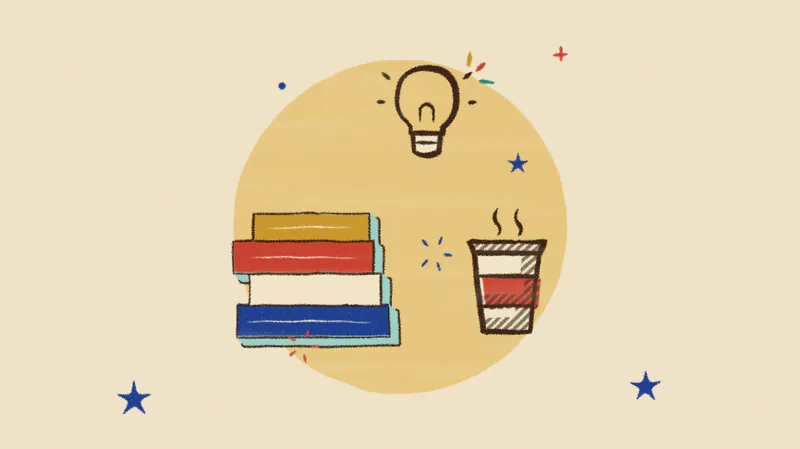
Real covers made for Ortak Alan articles, about 500 so far, and example scenes from the repository.
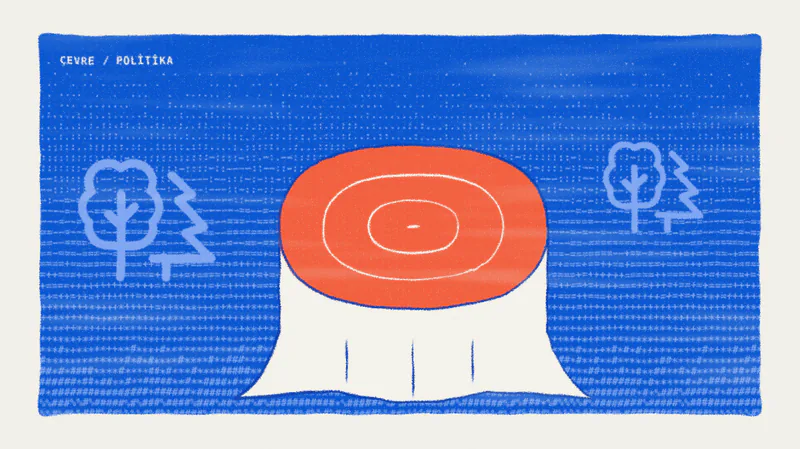
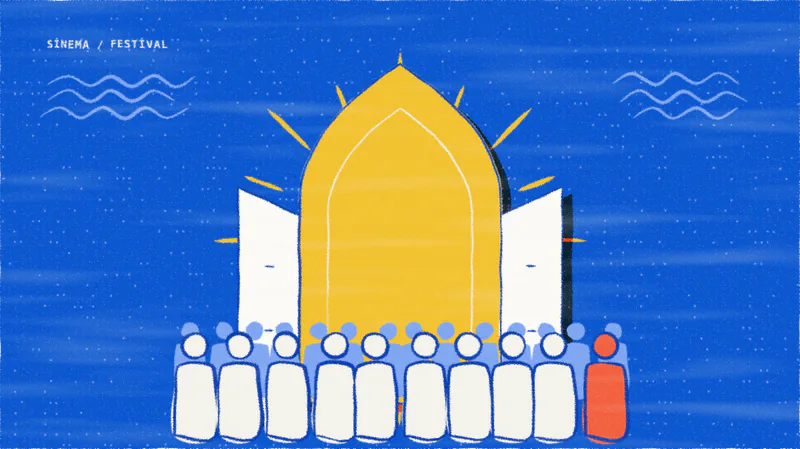

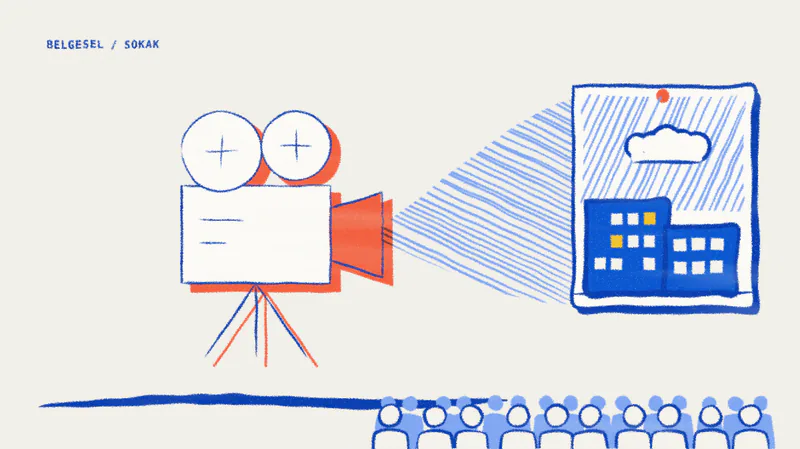

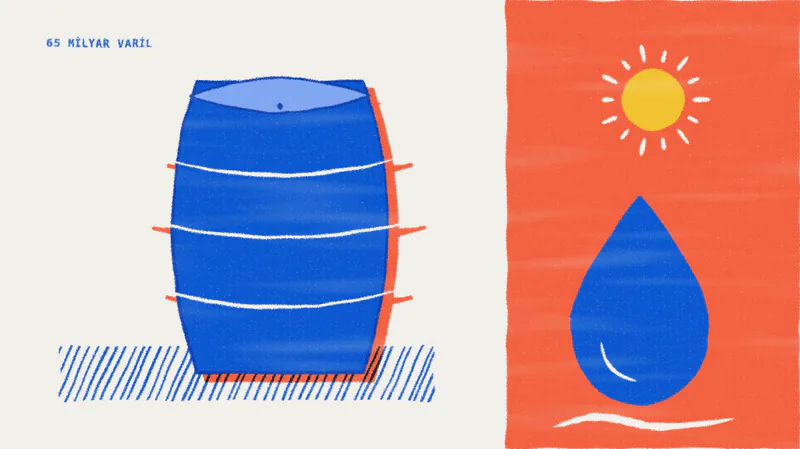
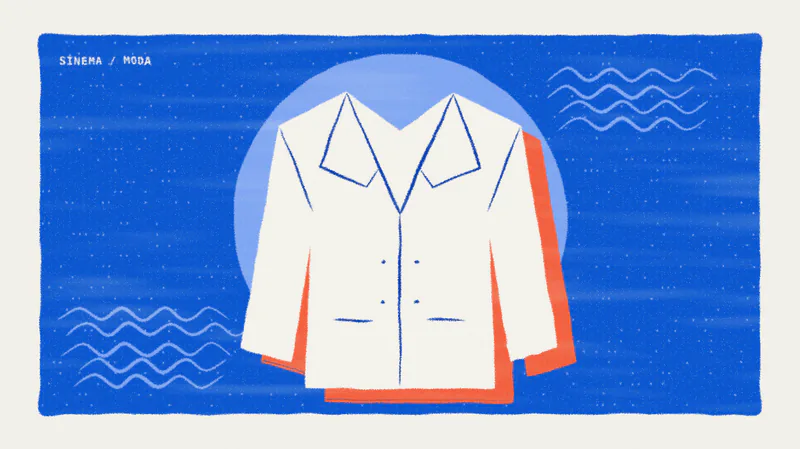
A shared library of drawn objects: 474 props, 708 variants, from tulips to server racks. Each is SVG path data in a 0–100 box, released under CC BY 4.0.
npx levni sheet check.png your-prop.Engine, CLI and critic. One dependency (sharp). Node 20+. Tabler Icons are optional.
Use the Folio anywhere, commercially too. Credit “drawings by Ortak Alan”.
Levni is made and used every day by Ortak Alan, which drew its article images with it.
An open-source engine that draws illustrations from a JSON scene: covers, spot illustrations, icons and social images, in one consistent hand-inked style. It runs on Node with sharp; there is no image model and no API key.
An agent writes the scene JSON, renders it, and reads the layout critic’s notes (off-canvas elements, accidental crops, lopsided weight, no focal point) before a person looks. Because it is JSON in and image out, it maps directly onto an MCP tool.
Nothing per image. Levni is MIT-licensed code that runs on your own machine or in CI. The Levni Folio drawings are CC BY 4.0: credit “drawings by Ortak Alan”.
Yes, through style packs. The riso pack is Ortak Alan’s house look; the miniature pack is inspired by Tulip Era Ottoman painting. A pack recolours inks and paper, and new motifs can be drawn for it.
Levni is an open-source engine that turns a short JSON scene into a hand-inked, riso-printed illustration. Built for agents and publishers, with zero cost per image.
Levni style packs print the same scene with a different set of inks and paper. The first two: Ortak Alan riso and a miniature pack inspired by Tulip Era painting.